
French Window Design: French Doors Interior & Exterior Pricing Top 5
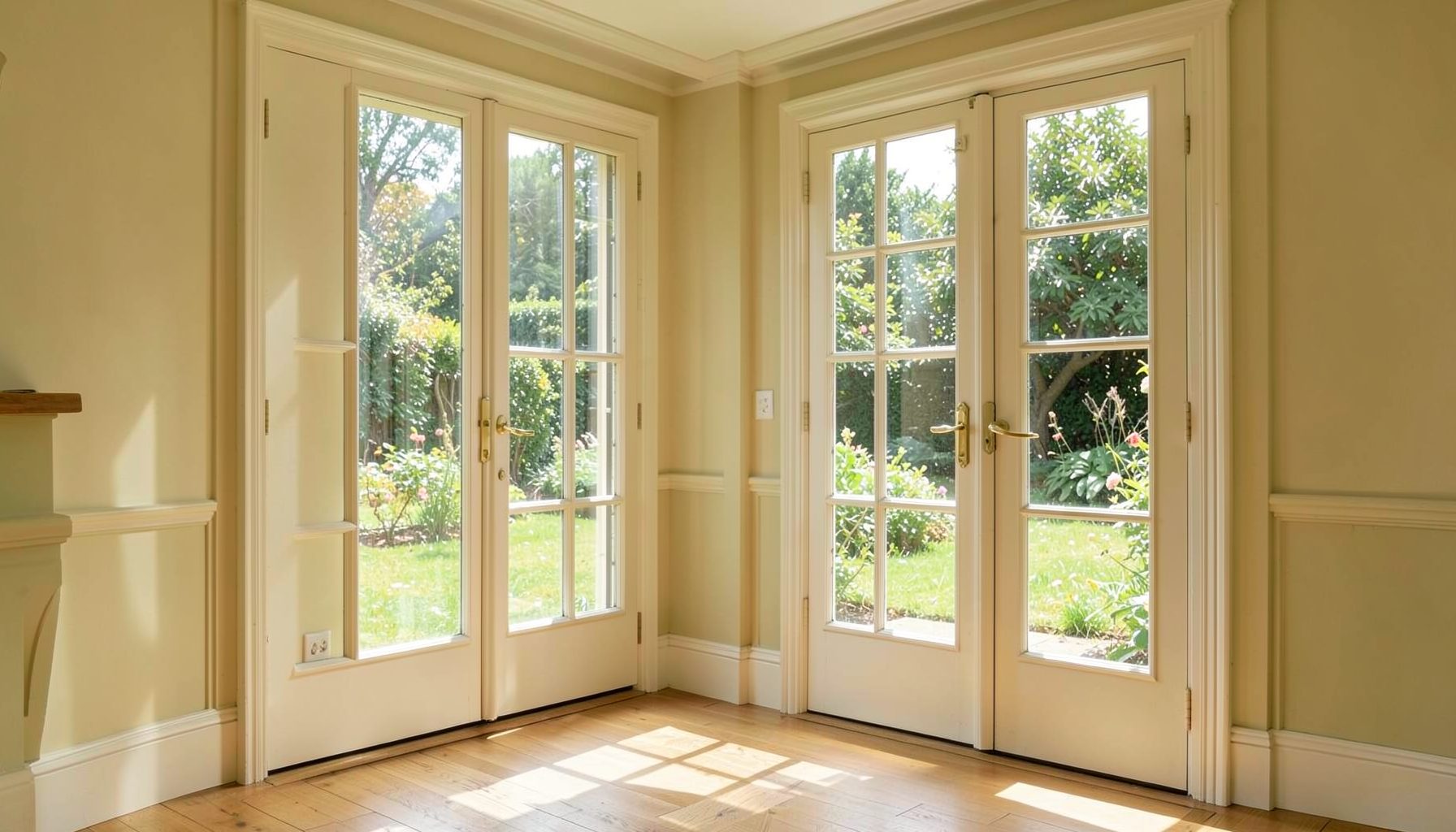
French doors bring elegance and natural light to any home, bridging interior spaces with the outdoors. Whether you're planning a living room renovation or updating a patio entrance, understanding pricing differences between interior and exterior French doors helps you make an informed choice. Below we highlight five key pricing considerations for French door installations.
Top 5 Pricing Considerations
| # | Factor | Interior | Exterior |
|---|---|---|---|
| 1 | Material | Solid wood, MDF, hollow core | Fibreglass, steel, solid wood, aluminium |
| 2 | Glazing | Single-pane or decorative | Double/triple-glazed, Low-E, tempered |
| 3 | Weatherproofing | Not required | Thermal breaks, seals, sill pans |
| 4 | Installation Complexity | Standard framing | Structural header, flashing, exterior trim |
| 5 | Hardware & Finish | Basic handles and hinges | Multi-point locks, corrosion-resistant hardware |
Exterior French doors typically cost more due to insulation requirements, weather-resistant materials, and security features. Interior French doors offer a lighter, more decorative option at a lower price point while still delivering that classic divided-light look.
Gallery: French Window Design
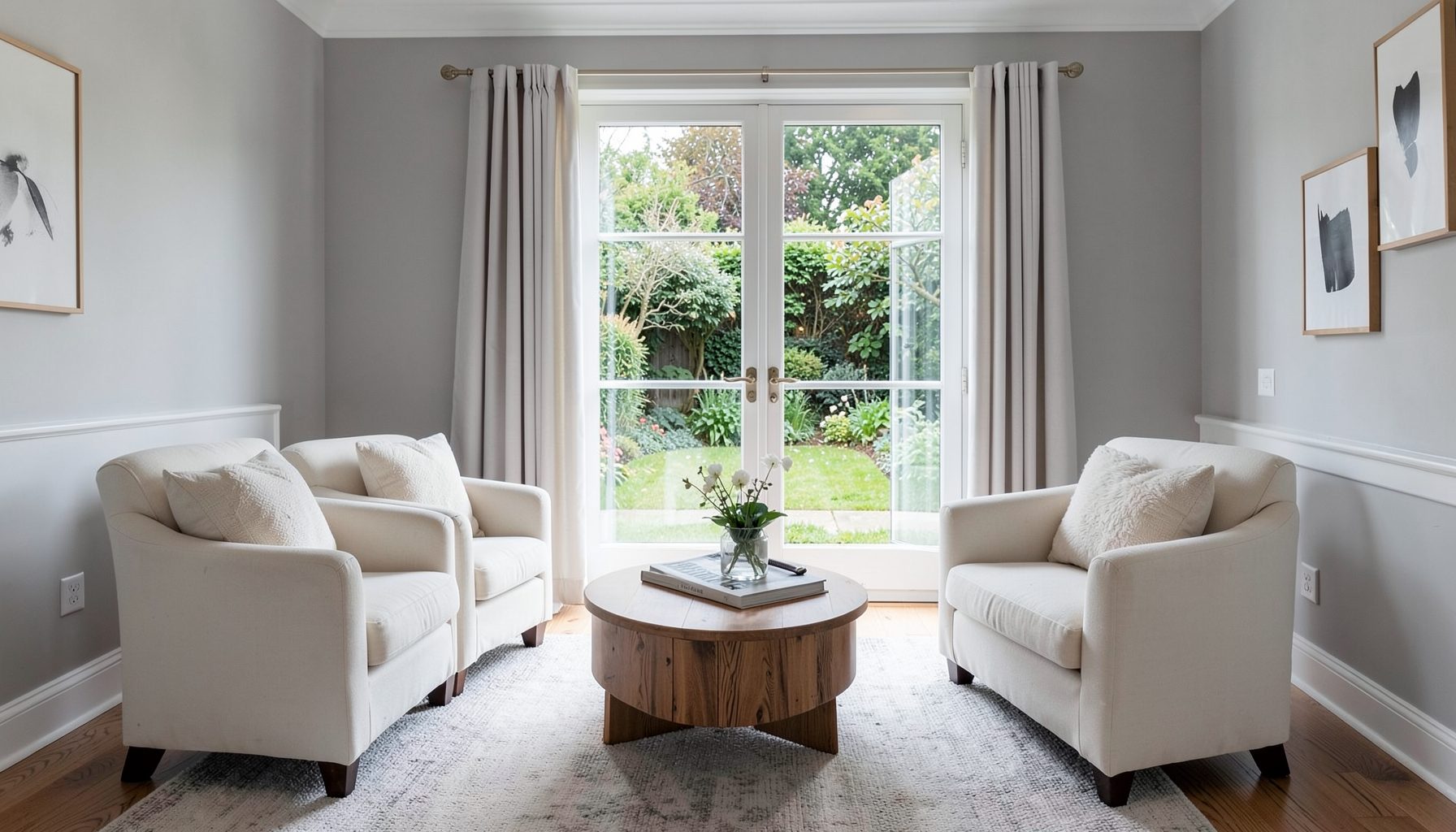
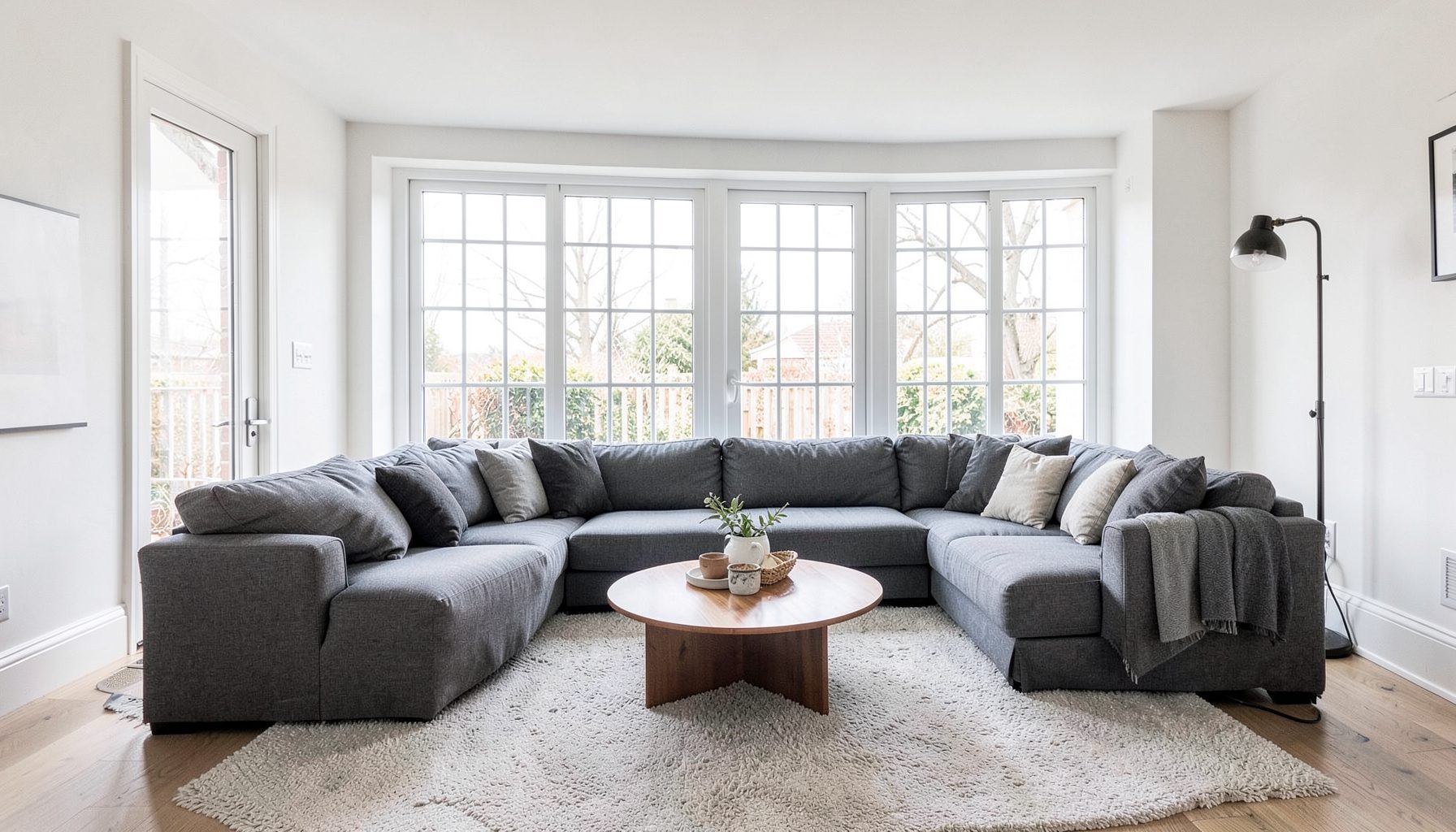
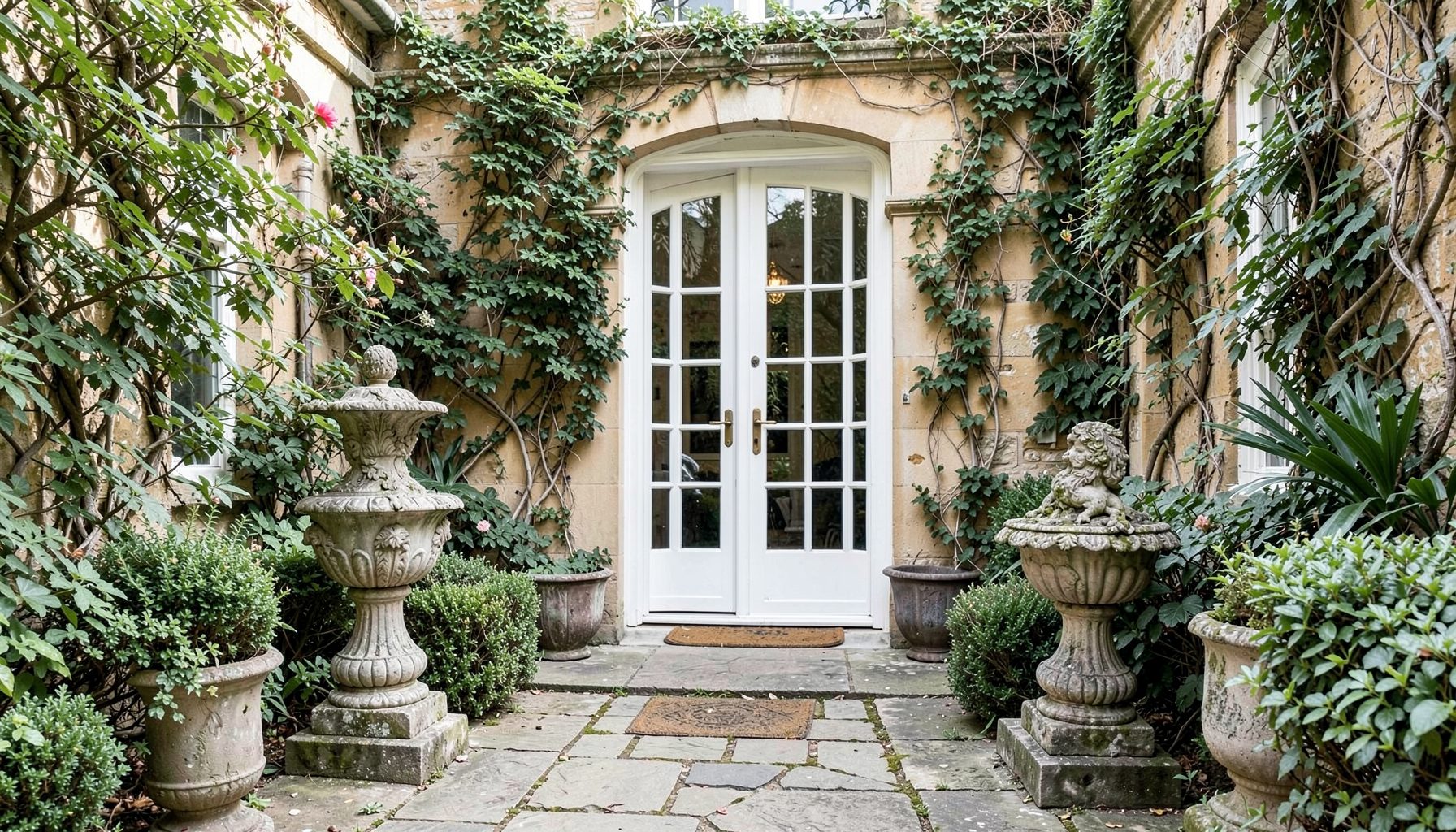
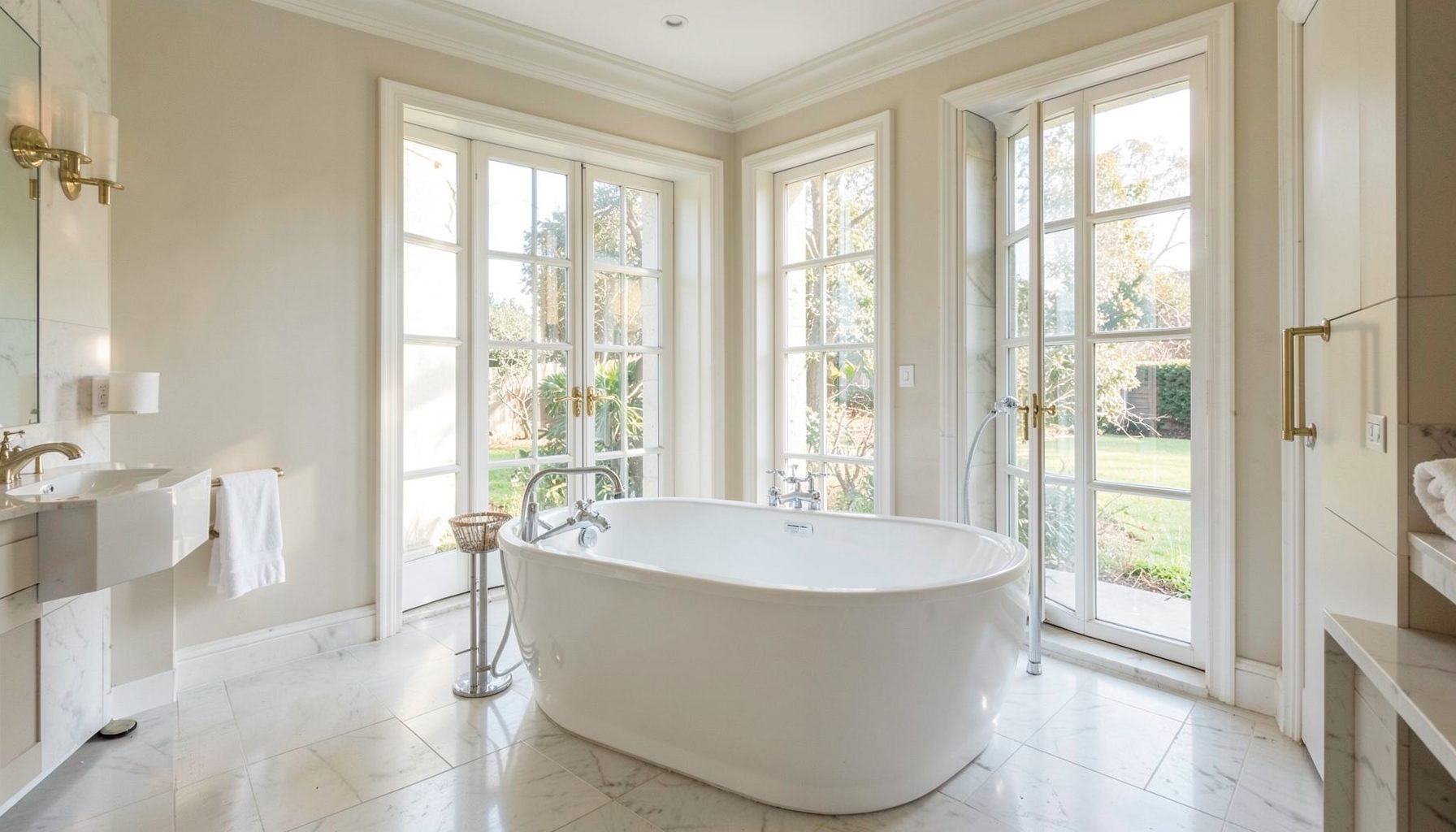
French windows have become a defining feature of modern home design, prized for their ability to open a room to natural light and garden views. On narrow blocks and compact floor plans, these full-height glazed doors create a seamless connection between interior living spaces and outdoor terraces or patios. Homeowners exploring contemporary house plans often choose French windows to make small living areas feel larger and more inviting. When paired with muted sage or olive wall tones and crisp white trim, French doors complement a wide range of interior styles, from coastal cottages to sleek urban apartments, while keeping the overall aesthetic clean and uncluttered.
The choice between interior and exterior French doors depends largely on how you intend to use the space. Interior French doors work beautifully for connecting a dining room to a living area or separating a home office from the main hallway, allowing light to travel between rooms while still providing a sense of enclosure. Exterior French doors, meanwhile, serve as a primary entry point to a backyard or balcony, often requiring more durable materials and weather-resistant glazing. Both options bring the same timeless elegance to a home, yet each demands different considerations in terms of hardware, sealing, and everyday maintenance.
When planning a bathroom renovation, French windows can transform an otherwise ordinary space into a bright and airy retreat. Installing a pair of French windows above a freestanding tub or beside a vanity allows natural light to flood the room while maintaining privacy through frosted or textured glass options. Many homeowners pair French windows with soft neutral bathroom colours such as beige, taupe, or grey to create a spa-like atmosphere. Smaller bathrooms, in particular, benefit from the vertical proportions of French doors, which draw the eye upward and make ceilings feel higher and the room more expansive.
Material selection plays a significant role in how French doors perform and how they look over time. Solid wood options offer warmth and classic beauty, though they require more upkeep in humid climates. Fibreglass and steel alternatives provide greater durability and energy efficiency, making them popular choices for exterior installations. For interior applications, MDF and hollow-core doors offer an economical way to achieve the French door aesthetic without the cost of solid timber. Regardless of material, proper installation and quality hardware are essential to ensuring smooth operation and a tight seal that keeps drafts and noise at bay.
Beyond their practical benefits, French windows contribute meaningfully to a home's overall design character. Their tall, elegant proportions echo traditional European architecture while fitting comfortably within modern and minimalist settings. In open-plan layouts, French doors can define zones without blocking sightlines, and their glass panels allow interior design elements such as feature walls, statement lighting, and curated decor to remain visible from adjacent rooms. Whether your home follows a contemporary, cottage, or transitional style, incorporating French windows into key living spaces adds a layer of sophistication and warmth that few other architectural features can match.